Professional Chiller Service | Expert Chiller Maintenance & Repair
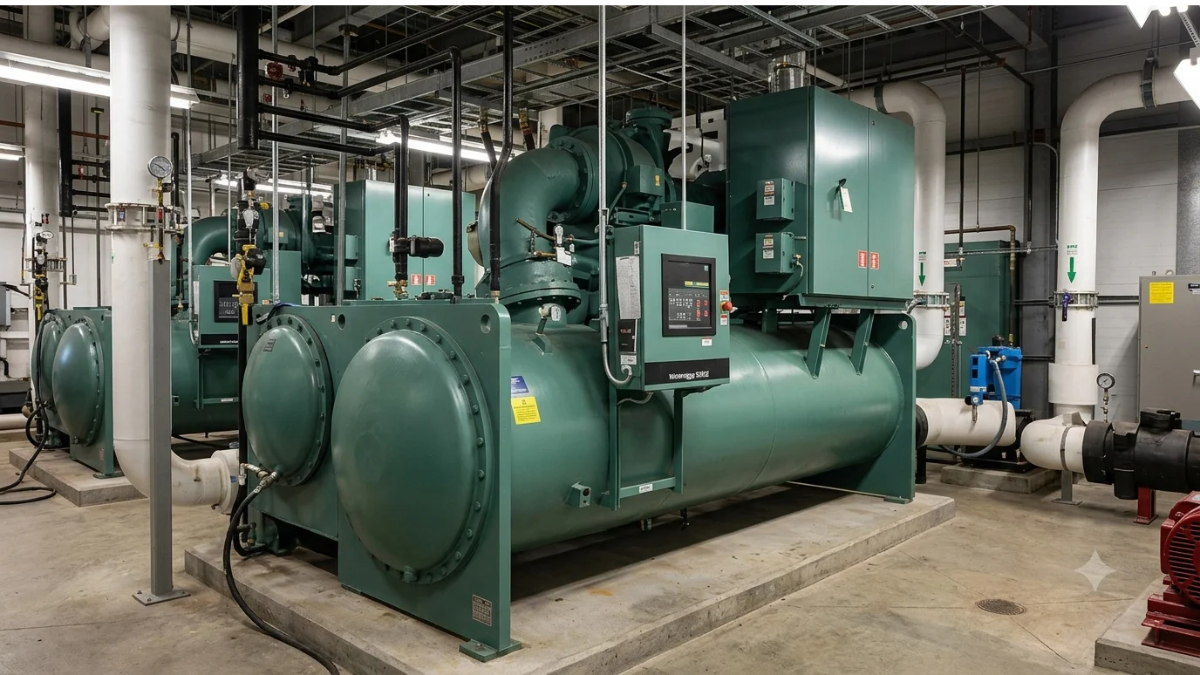
Regular chiller service helps maintain cooling performance, improve operational reliability, identify potential faults, and support energy-efficient operation. Without proper maintenance, problems such as dirty heat exchangers, restricted water flow, refrigerant issues, and faulty electrical components can affect system performance.
New Cornerstone Technical Services L.L.C. can be presented as your service contact for chiller maintenance, repair, troubleshooting, and installation enquiries.
Why Is Regular Chiller Maintenance Important?
Chillers often operate under demanding conditions, particularly in commercial and industrial environments. Routine servicing helps identify developing issues and maintain consistent cooling performance.
The main benefits of professional chiller maintenance include:
Improved energy efficiency: Cleaning heat transfer surfaces and maintaining correct operating conditions can help reduce unnecessary energy consumption.
Reduced equipment breakdowns: Regular inspections can identify faults before they lead to unexpected shutdowns.
Reliable cooling performance: Proper servicing helps maintain stable chilled-water temperatures and cooling capacity.
Longer equipment life: Preventive maintenance can reduce excessive wear on critical components.
Lower repair expenses: Early fault detection may help avoid major component failures.
Improved operational continuity: Scheduled maintenance helps businesses plan servicing and reduce unexpected interruptions.
Our Professional Chiller Service Solutions
1. Chiller Preventive Maintenance
Preventive chiller maintenance focuses on inspecting and servicing equipment according to manufacturer recommendations, operating conditions, and maintenance schedules.
Typical maintenance activities may include:
Inspecting compressor operation and system performance.
Checking electrical connections and control panels.
Inspecting condenser and evaporator heat transfer surfaces.
Checking chilled-water flow and associated pumps.
Inspecting refrigerant-system operating parameters.
Checking sensors, controls, and safety devices.
Reviewing operating temperatures, pressures, and alarms.
A planned maintenance schedule helps facility managers identify problems early and manage equipment performance more effectively.
2. Chiller Repair Services
Chiller systems can experience several operating problems, including insufficient cooling, high-pressure alarms, refrigerant leaks, compressor faults, unusual vibrations, and unexpected shutdowns.
Professional chiller repair services involve diagnosing the root cause of the problem and carrying out appropriate corrective work.
Qualified technicians should inspect refrigeration circuits, electrical systems, water flow, controls, and other relevant components before recommending repairs.
Prompt troubleshooting can help restore system performance and reduce the risk of further damage.
3. Air-Cooled Chiller Service
Air-cooled chillers use ambient air to remove heat from the refrigeration system. Their performance can be affected by dirty condenser coils, restricted airflow, fan faults, high ambient temperatures, and electrical problems.
Air-cooled chiller maintenance may include:
Condenser coil inspection and cleaning.
Fan motor and fan blade inspection.
Electrical component checks.
Refrigerant-system performance assessment.
Inspection of sensors and control systems.
Operating temperature and pressure checks.
Regular maintenance helps support reliable operation, especially in hot climates and high-demand environments.
4. Water-Cooled Chiller Maintenance
Water-cooled chillers use water and cooling towers to reject heat. Their performance depends on proper water circulation, effective heat transfer, and suitable water treatment.
Water-cooled chiller servicing may include:
Condenser and evaporator inspection.
Heat exchanger cleaning where required.
Chilled-water and condenser-water flow checks.
Cooling tower and associated pump inspections.
Water-quality and scaling assessments.
Inspection of controls, electrical systems, and operating parameters.
Proper water treatment and cleaning schedules are particularly important for helping prevent scale formation, corrosion, and reduced heat transfer.
5. Chiller Compressor Inspection and Repair
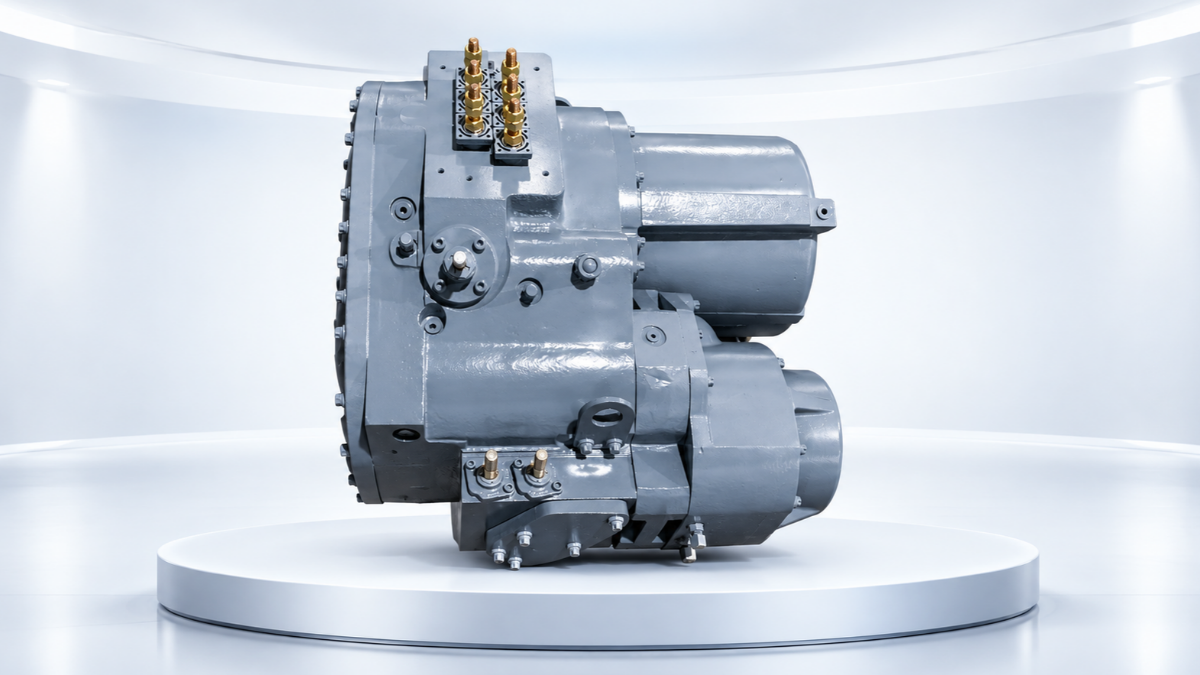
The compressor is a critical component of a chiller refrigeration system. Compressor problems can affect cooling capacity, energy consumption, and equipment reliability.
Professional compressor inspection may include reviewing operating pressures and temperatures, checking electrical performance, investigating abnormal noise or vibration, and assessing relevant protection alarms.
Any compressor repair or replacement should be based on proper diagnosis and the manufacturer's technical requirements.
6. Chiller Troubleshooting and Performance Testing
When a chiller does not achieve the required cooling temperature or repeatedly displays alarms, systematic troubleshooting is essential.
A technical assessment may involve checking:
Chilled-water inlet and outlet temperatures.
Water flow and pump operation.
Condenser performance.
Refrigerant operating conditions.
Compressor loading and electrical readings.
Sensors, control sequences, and safety interlocks.
Alarm history and operating trends.
Accurate troubleshooting helps technicians identify the cause of performance problems and recommend suitable corrective action.
Common Signs Your Chiller Needs Professional Servicing
Recognizing early warning signs can help prevent costly equipment failures.
Contact a qualified chiller technician if you notice:
Reduced cooling capacity.
Chilled-water temperatures outside the required range.
Frequent high-pressure or low-pressure alarms.
Unusual compressor noise or vibration.
Increasing electricity consumption without an obvious operational reason.
Water leakage or unusual fluid loss.
Repeated system shutdowns.
Abnormal operating temperatures or pressure readings.
Do not ignore repeated alarms or bypass safety controls. Arrange a professional inspection to identify and address the underlying issue.
How Often Should a Chiller Be Serviced?
Chiller service frequency depends on the equipment type, operating hours, cooling demand, water quality, environmental conditions, and manufacturer recommendations.
A practical maintenance approach includes:
Routine inspections: Review operating parameters, alarms, visible leaks, and equipment condition at intervals appropriate to the system.
Scheduled preventive maintenance: Inspect major components, electrical connections, water circulation, heat transfer surfaces, and safety controls according to the maintenance plan.
Periodic performance reviews: Assess operating efficiency, temperature differences, and energy consumption trends to identify developing problems.
Annual comprehensive servicing: Arrange a detailed service based on the equipment manufacturer's recommendations and the system's operating requirements.
For continuously operating commercial and industrial chillers, a customized preventive maintenance plan is often more suitable than relying on occasional repairs.
Chiller Maintenance for Commercial and Industrial Buildings
Reliable chiller operation is important in facilities where cooling interruptions can affect occupants, equipment, products, or business operations.
Professional chiller maintenance may be required for:
Office buildings and commercial complexes.
Hotels and hospitality facilities.
Shopping malls and retail buildings.
Hospitals and healthcare facilities.
Manufacturing plants and industrial facilities.
Warehouses and temperature-controlled environments.
Large buildings using central chilled-water air conditioning.
Maintenance requirements should be tailored to each facility's cooling demand, equipment configuration, operational schedule, and criticality.
How to Choose the Right Chiller Service Company
Choosing a qualified chiller maintenance company can help improve equipment reliability and maintenance planning.
Consider these factors before selecting a service provider:
Technical expertise: Look for technicians familiar with your chiller type, controls, and refrigeration system.
Preventive maintenance plans: Ask whether scheduled inspections and performance assessments are available.
Troubleshooting capability: Ensure the provider can investigate alarms and recurring cooling problems.
Safety procedures: Confirm that servicing follows applicable safety requirements and manufacturer guidance.
Clear quotations: Request a breakdown of inspection, labour, parts, and any additional charges.
Maintenance documentation: Ask for service reports, findings, recommendations, and records of completed work.
Emergency support: Confirm the response arrangements available for urgent equipment failures.
Why Choose New Cornerstone Technical Services L.L.C.?
New Cornerstone Technical Services L.L.C. is the business to contact for enquiries about technical maintenance, installation, and repair services.
When arranging chiller service, customers should look for a service partner that emphasizes proper troubleshooting, planned maintenance, safe working practices, clear communication, and equipment reliability.
Contact New Cornerstone Technical Services L.L.C. to discuss your chiller servicing requirements, request an inspection, or obtain a quotation for your commercial or industrial facility.
Frequently Asked Questions About Chiller Service
What is included in chiller service?
Chiller service may include equipment inspection, electrical checks, heat exchanger assessment, water-flow checks, operating parameter reviews, alarm diagnosis, and preventive maintenance tasks. The exact scope depends on the chiller type and its condition.
How often should a chiller be maintained?
Maintenance frequency depends on manufacturer recommendations, equipment usage, environmental conditions, and system criticality. Commercial and industrial chillers often require scheduled inspections and periodic comprehensive servicing.
What causes a chiller to lose cooling capacity?
Common causes include restricted water flow, dirty heat transfer surfaces, condenser problems, refrigerant-system faults, sensor issues, and control-system problems. A qualified technician should diagnose the cause before repairs are undertaken.
What is the difference between air-cooled and water-cooled chillers?
Air-cooled chillers reject heat through air-cooled condenser coils and fans. Water-cooled chillers transfer heat through a water circuit, usually connected to a cooling tower. Maintenance requirements differ according to their design and operating conditions.
Can chiller maintenance reduce electricity consumption?
Proper maintenance can help reduce avoidable energy losses by maintaining heat transfer, water flow, controls, and operating conditions. Actual energy savings depend on equipment condition, system design, operating load, and other factors.
What is an annual chiller maintenance contract?
An annual maintenance contract (AMC) sets out agreed maintenance services for a defined period. It may specify inspection frequency, preventive servicing, reporting, labour, parts, and repair coverage. Always confirm the included services and exclusions before signing.
Conclusion
Professional chiller service is essential for maintaining reliable cooling, supporting energy efficiency, and reducing unexpected interruptions in commercial and industrial facilities. Regular preventive maintenance, accurate troubleshooting, and timely repairs help keep chiller systems operating according to their intended performance.
For chiller maintenance, chiller repair, air-cooled chiller servicing, water-cooled chiller maintenance, and preventive maintenance enquiries, contact New Cornerstone Technical Services L.L.C.
Request a Chiller Service Quotation Today and discuss a maintenance solution suited to your equipment and operational requirements.