Motors & Compressor Stator Services | Repair & Rewinding
Professional motors and compressor stator services help identify electrical faults, repair damaged windings, and restore equipment performance where technically feasible. Problems such as insulation failure, overheating, winding damage, moisture ingress, and electrical imbalance can affect motor reliability and equipment operation.
New Cornerstone Technical Services L.L.C. can be your point of contact for enquiries about motor maintenance, stator repair, rewinding, and related technical services.
What Are Motor and Compressor Stator Services?
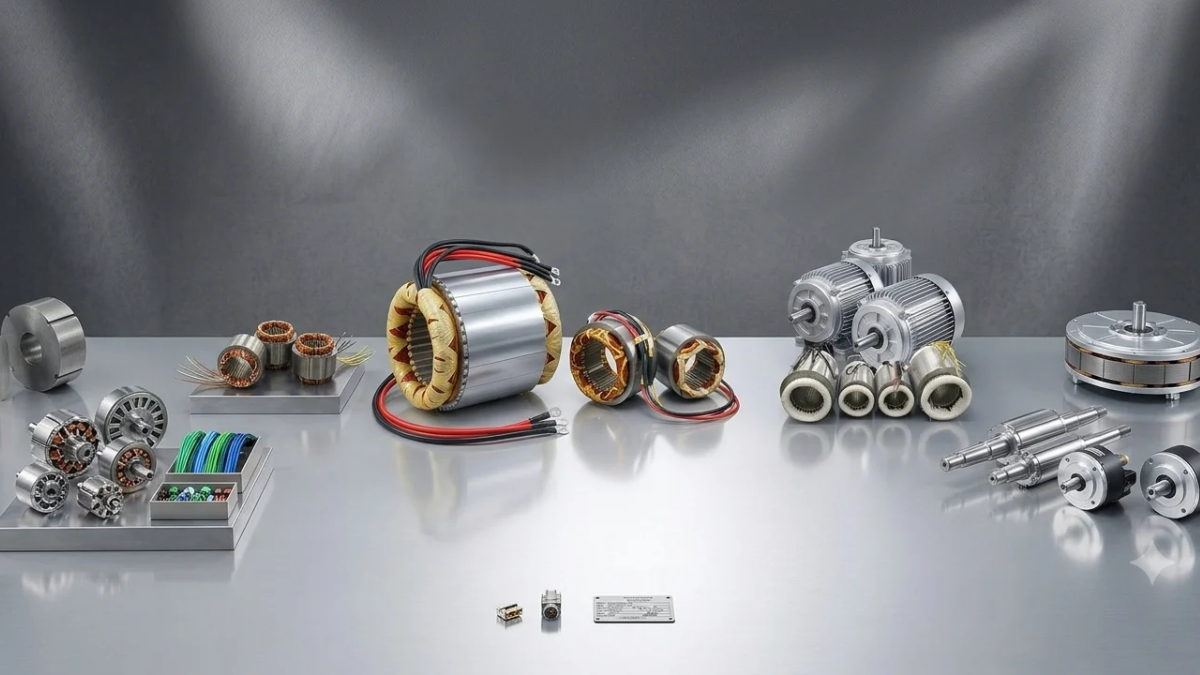
A stator is the stationary part of an electric motor or compressor motor. It contains electrical windings that generate a magnetic field when energized, enabling the motor to operate.
Over time, electrical and mechanical stresses can damage stator windings and insulation. Professional inspection helps determine whether the problem requires winding repair, complete rewinding, component replacement, or another corrective solution.
Motor and compressor stator services may include electrical testing, winding inspection, fault diagnosis, insulation assessment, rewinding, and performance testing.
Our Professional Motors & Compressor Stator Services
1. Electric Motor Rewinding Services
Motor rewinding involves removing damaged windings and installing new windings according to the motor's design specifications.
Professional motor rewinding may be required when windings suffer from insulation breakdown, overheating, short circuits, or other electrical faults.
Typical activities include:
Inspecting the motor and identifying winding damage.
Recording winding configuration and relevant specifications.
Removing damaged windings using appropriate procedures.
Preparing the stator core and winding slots.
Installing replacement windings and insulation materials.
Applying suitable insulation and varnishing processes.
Conducting electrical tests before returning the motor to service.
Proper workmanship and testing help support reliable motor operation after rewinding.
2. Compressor Stator Repair Services
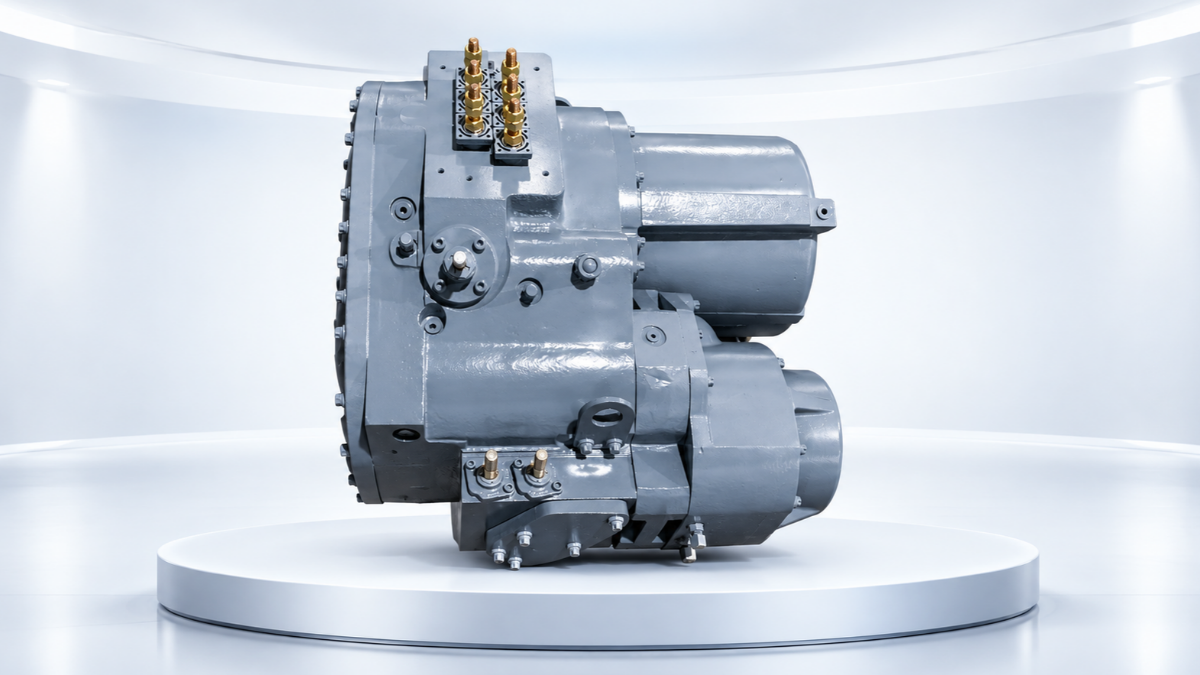
Compressor motors operate under demanding conditions in refrigeration, air conditioning, and industrial cooling applications. Stator damage can affect compressor operation and may result in electrical faults or complete equipment failure.
Professional compressor stator repair begins with an assessment of the motor and its electrical condition.
Service requirements may include winding inspection, insulation testing, fault diagnosis, rewinding where appropriate, and post-repair testing.
The repair approach depends on the compressor design, the extent of the damage, the manufacturer's specifications, and the availability of replacement components.
3. Industrial Motor Repair and Maintenance
Industrial motors drive pumps, fans, compressors, conveyors, and other essential machinery. Unexpected motor failures can interrupt production and increase maintenance costs.
Industrial motor repair services may include:
Electrical fault diagnosis.
Winding and insulation inspection.
Bearing and mechanical condition assessment.
Terminal and connection inspection.
Cooling fan and ventilation checks.
Vibration and temperature assessment.
Electrical performance testing after repair.
Regular maintenance helps identify developing problems and supports more reliable equipment operation.
4. Stator Winding Inspection and Testing
Stator winding inspection helps identify electrical problems that may not be visible during a basic external inspection.
Depending on the motor design and the fault, qualified technicians may perform insulation resistance tests, winding resistance measurements, phase balance checks, and other suitable electrical tests.
Surge testing or additional diagnostic procedures may be appropriate when specified by the manufacturer and the equipment's condition.
Testing should be performed using suitable instruments and safe procedures by qualified personnel.
5. Three-Phase Motor Repair Services
Three-phase electric motors are widely used in industrial and commercial applications because of their suitability for many continuous-duty operations.
Problems such as phase imbalance, loose connections, insulation failure, overloading, and cooling restrictions can contribute to motor overheating or winding damage.
Professional three-phase motor repair may involve checking electrical supply conditions, inspecting terminals and windings, identifying the root cause of failure, and testing the motor before it returns to operation.
Correct diagnosis is important to help prevent the same fault from recurring.
6. Preventive Motor and Stator Maintenance
Preventive maintenance helps reduce the risk of unexpected motor and compressor failures.
A suitable maintenance program may include:
Inspecting motor housings and electrical connections.
Checking ventilation and cooling arrangements.
Monitoring unusual noise, vibration, and temperature.
Inspecting for moisture, dust, and contamination.
Reviewing operating loads and electrical conditions.
Maintaining service records and repair history.
Scheduling electrical tests according to equipment requirements.
The maintenance frequency should reflect operating hours, environmental conditions, equipment criticality, and manufacturer recommendations.
Common Signs of Motor or Stator Failure
Recognizing early warning signs can help prevent further equipment damage.
Arrange a professional inspection if you notice:
Motor overheating or repeated thermal trips.
Burning smells from electrical equipment.
Abnormal humming, noise, or vibration.
Reduced motor performance.
Frequent fuse operation or protective-device trips.
Insulation deterioration or visible winding damage.
Unbalanced electrical readings.
Compressor startup failure or unexpected shutdowns.
Electrical faults should be investigated by qualified technicians. Equipment should be safely isolated before inspection or repair, and protective devices should never be bypassed.
Benefits of Professional Motor Rewinding and Stator Repair
Choosing professional motor and stator services can offer several practical benefits:
Reliable equipment operation: Proper diagnosis and repair help restore performance where feasible.
Reduced downtime: Timely maintenance can help limit unexpected interruptions to business operations.
Cost-effective repairs: Rewinding may be an alternative to replacing certain motors, depending on the extent of damage and the repair economics.
Improved maintenance planning: Inspection reports help businesses plan future servicing and equipment replacement.
Better fault prevention: Identifying the original cause of winding failure can help reduce the likelihood of recurring problems.
The decision to rewind or replace a motor should consider repair cost, motor efficiency, equipment age, expected reliability, and manufacturer requirements.
Industries That Require Motor and Compressor Stator Services
Professional motor repair and stator maintenance may be relevant to:
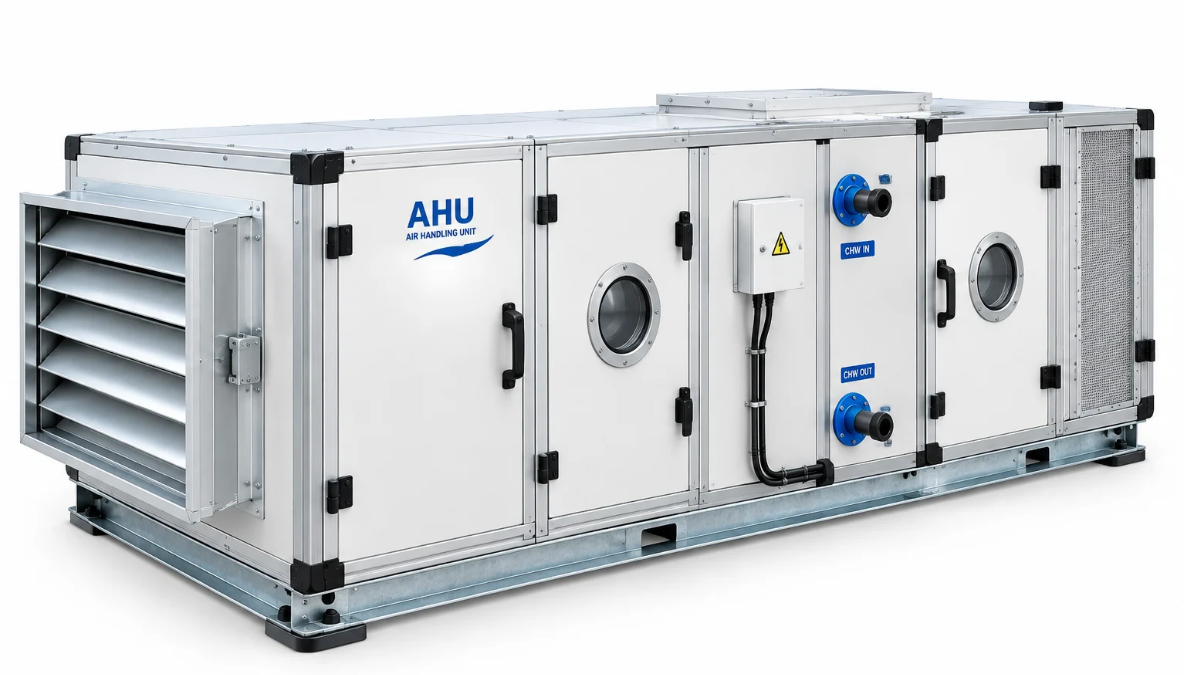
HVAC and air conditioning systems.
Refrigeration and cooling equipment.
Commercial and industrial compressor systems.
Manufacturing and production facilities.
Water pumps and pumping stations.
Industrial ventilation and fan systems.
Workshops and engineering facilities.
Other businesses that depend on electric motor-driven machinery.
Service requirements vary by application, motor type, power rating, and operating conditions.
How to Choose the Right Motor Rewinding and Repair Company
Selecting a capable service provider helps support the reliability and safety of repaired equipment.
Consider these factors when choosing a motor and stator service company:
Technical expertise: Look for experience with your motor type, power rating, and application.
Diagnostic capabilities: Confirm that the provider can identify electrical and mechanical causes of failure.
Quality of materials: Ask about winding wire, insulation systems, and materials appropriate for the motor specifications.
Testing procedures: Request details of relevant electrical tests and post-repair inspection.
Transparent quotations: Obtain a breakdown of labour, materials, and additional work.
Repair documentation: Ask for a report detailing the fault, repair performed, and test results.
Preventive maintenance support: Discuss suitable inspection schedules for important equipment.
Why Choose New Cornerstone Technical Services L.L.C.?
New Cornerstone Technical Services L.L.C. provides a point of contact for customers seeking technical maintenance and repair solutions.
When arranging motors and compressor stator services, customers should prioritize accurate fault diagnosis, appropriate repair methods, quality workmanship, electrical safety, and clear service documentation.
Contact New Cornerstone Technical Services L.L.C. to discuss your motor rewinding, compressor stator repair, electrical inspection, or industrial motor maintenance requirements.
Frequently Asked Questions About Motors & Compressor Stator Services
What is compressor stator rewinding?
Compressor stator rewinding involves replacing damaged electrical windings in a compressor motor stator. The process requires suitable winding specifications, insulation materials, and electrical testing.
When does an electric motor need rewinding?
A motor may need rewinding when its windings have sustained significant electrical damage, insulation failure, or overheating-related deterioration. A qualified technician should first assess whether rewinding is appropriate.
Can a damaged stator be repaired?
Some stator problems can be repaired or rewound, depending on the extent of winding damage, the condition of the stator core, and the motor's design. Severe core damage may make replacement more practical.
How can motor winding failure be prevented?
Appropriate loading, effective cooling, clean ventilation, suitable electrical protection, and regular inspection can help reduce the risk of winding failure.
Is motor rewinding better than motor replacement?
Not always. Rewinding may be economical for certain motors, while replacement may be preferable for severely damaged, obsolete, or inefficient equipment. The decision should be based on a technical assessment and total cost of ownership.
What tests are performed after motor rewinding?
Depending on the motor, testing may include insulation resistance, winding resistance, phase balance, appropriate dielectric or surge tests, and operational checks. Tests must follow suitable technical standards and manufacturer requirements.
Conclusion
Professional motors and compressor stator services help businesses maintain essential electrical equipment, address winding failures, and plan reliable maintenance. Correct diagnosis, quality rewinding, suitable insulation systems, and thorough testing are important for restoring equipment performance and reducing recurring faults.
For motor rewinding, compressor stator repair, industrial motor maintenance, and electrical fault diagnosis enquiries, contact New Cornerstone Technical Services L.L.C.
Request a Motors & Compressor Stator Service Quotation Today to discuss your equipment requirements and available repair options.